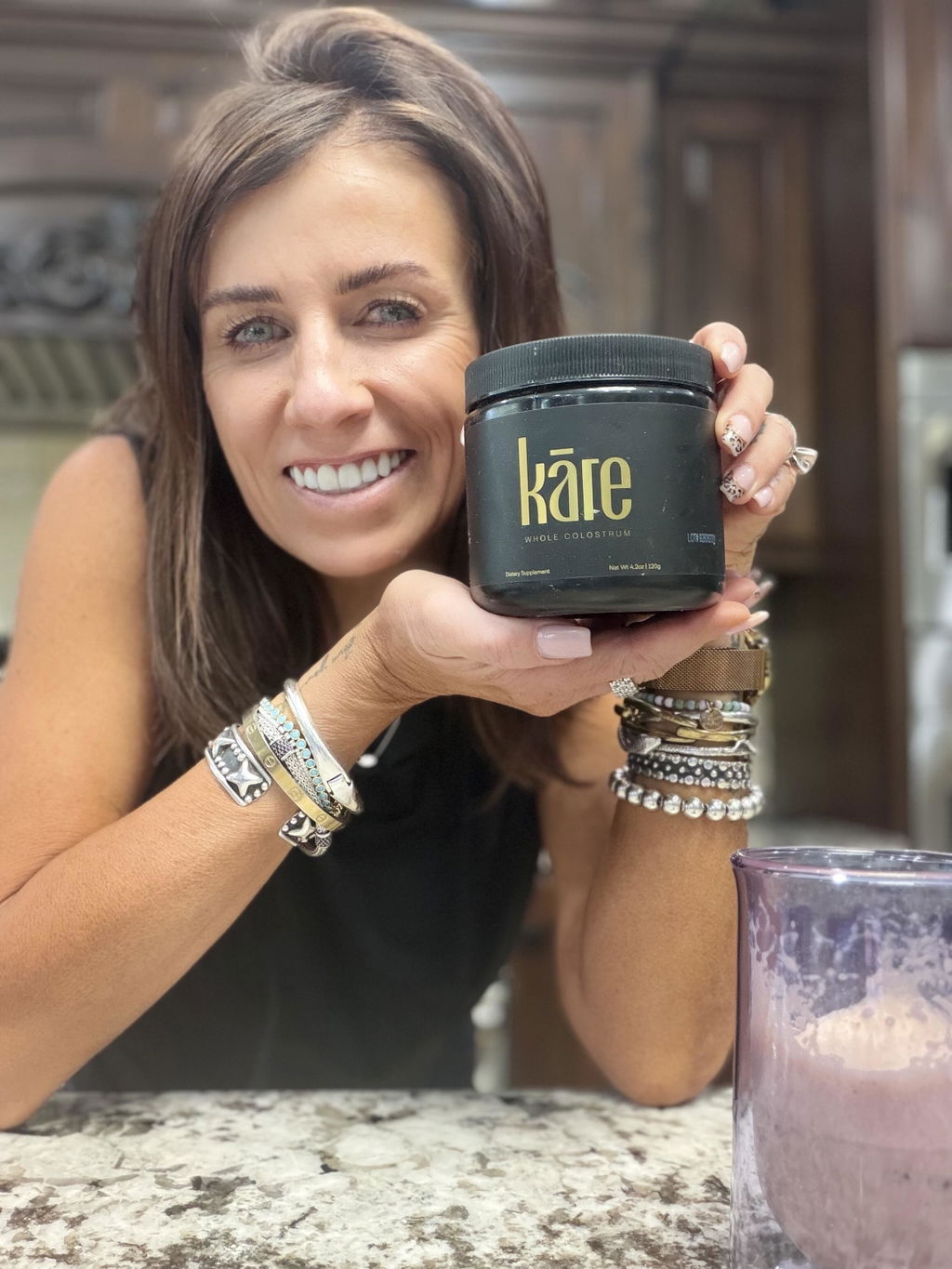
Colostrum for Ulcerative Colitis: Can It Support Gut Healing?
If you're managing ulcerative colitis, you've probably explored every angle to find relief. You've read the research, tried the diets, and you're looking for tools that actually work. Colostrum—the nutrient-dense first milk produced by cows after birth—is gaining attention in the gut health space, and there's legitimate science worth understanding. Let's break down what colostrum may do for ulcerative colitis, what the research actually shows, and how quality matters when you're choosing a supplement.
What Colostrum May Do for Ulcerative Colitis
Ulcerative colitis is an inflammatory bowel condition where the immune system attacks the lining of the colon and rectum, causing inflammation, pain, and digestive disruption. Colostrum contains compounds that research suggests may help address the root problem: a compromised gut barrier and an overactive immune response.
In plain terms, colostrum may help by:
- Strengthening the gut lining. Colostrum is rich in growth factors—natural compounds that support the repair and regeneration of intestinal tissue. A stronger barrier means fewer gaps where harmful substances leak through (a concept researchers call "leaky gut").
- Modulating immune activity. Rather than suppressing immunity entirely, colostrum contains immunoglobulins and lactoferrin that may help train your immune system to respond appropriately, potentially reducing the inflammatory cascade.
- Supporting beneficial bacteria. Colostrum contains prebiotics—fuel for good gut bacteria—which may help restore microbial balance and reduce dysbiosis (bacterial imbalance) that often accompanies ulcerative colitis.
That said, colostrum is not a treatment or cure. It's a supplement that may support your existing management plan. Always discuss any new supplement with your healthcare provider, especially if you're on immunosuppressants or biologics.
The Research: Mechanism and Evidence
Colostrum's potential benefit in inflammatory bowel conditions hinges on several bioactive components. The most important is IgG (immunoglobulin G)—an antibody that, when delivered intact to the gut, has been shown in research to modulate immune responses and support mucosal barrier function.
Studies on bovine colostrum in IBD (inflammatory bowel disease, which includes ulcerative colitis and Crohn's disease) suggest:
- A 2014 review in Nutrients found colostrum may reduce intestinal permeability and support immune tolerance in the gut.
- Research on proline-rich polypeptides (PRPs)—unique proteins in colostrum—indicates they may help regulate T-cell activity, which is central to managing autoimmune inflammation.
- Lactoferrin, another colostrum component, has antimicrobial and anti-inflammatory properties that may reduce pathogenic bacteria and support healing.
The catch? Much of the research is promising but still emerging. The evidence base for colostrum in ulcerative colitis specifically is smaller than we'd ideally like, which is why quality and bioactivity matter enormously. A low-quality, degraded colostrum supplement won't deliver these benefits. Processing method and IgG integrity are everything.
Why kāre's Approach Matters for Your Gut
Not all colostrum is created equal—and that's critical when you're dealing with a sensitive condition like ulcerative colitis. Here's what sets kāre apart:
Bioactive IgG preserved from source to bottle. Some brands report inflated IgG numbers because harsh processing damages proteins, which then show up artificially high in standard testing. kāre uses turbidity-corrected IgG testing, meaning the number you see is actually bioactive and intact. A lower, accurate number beats a higher, inflated one when it comes to gut benefit.
Gentle, fresh processing. kāre is collected from grass-fed cows on New Zealand's South Island, then processed fresh (never frozen) within 48 hours using gentle low-temperature spray-drying at 37–60°C. This preserves the delicate growth factors and immunoglobulins that your inflamed gut needs.
Ethical sourcing you can trust. Our cows roam freely 365 days a year on 95%+ fresh grass—no confinement, no routine vaccination stress, no artificial hormones. Research increasingly shows that colostrum quality reflects the health and stress levels of the animal. You're getting colostrum from genuinely healthy cows.
If you're exploring how colostrum supports a balanced gut microbiome or learning more about IgG and why it matters in colostrum supplements, kāre's transparency gives you confidence that what's on the label is what you're actually getting.
Ulcerative colitis management is deeply personal, and colostrum isn't a silver bullet. But if you're looking for a thoughtfully sourced supplement that may support gut barrier healing and immune regulation, kāre offers the quality and integrity to make it worth trying. Try kāre and see how it fits into your gut health strategy.