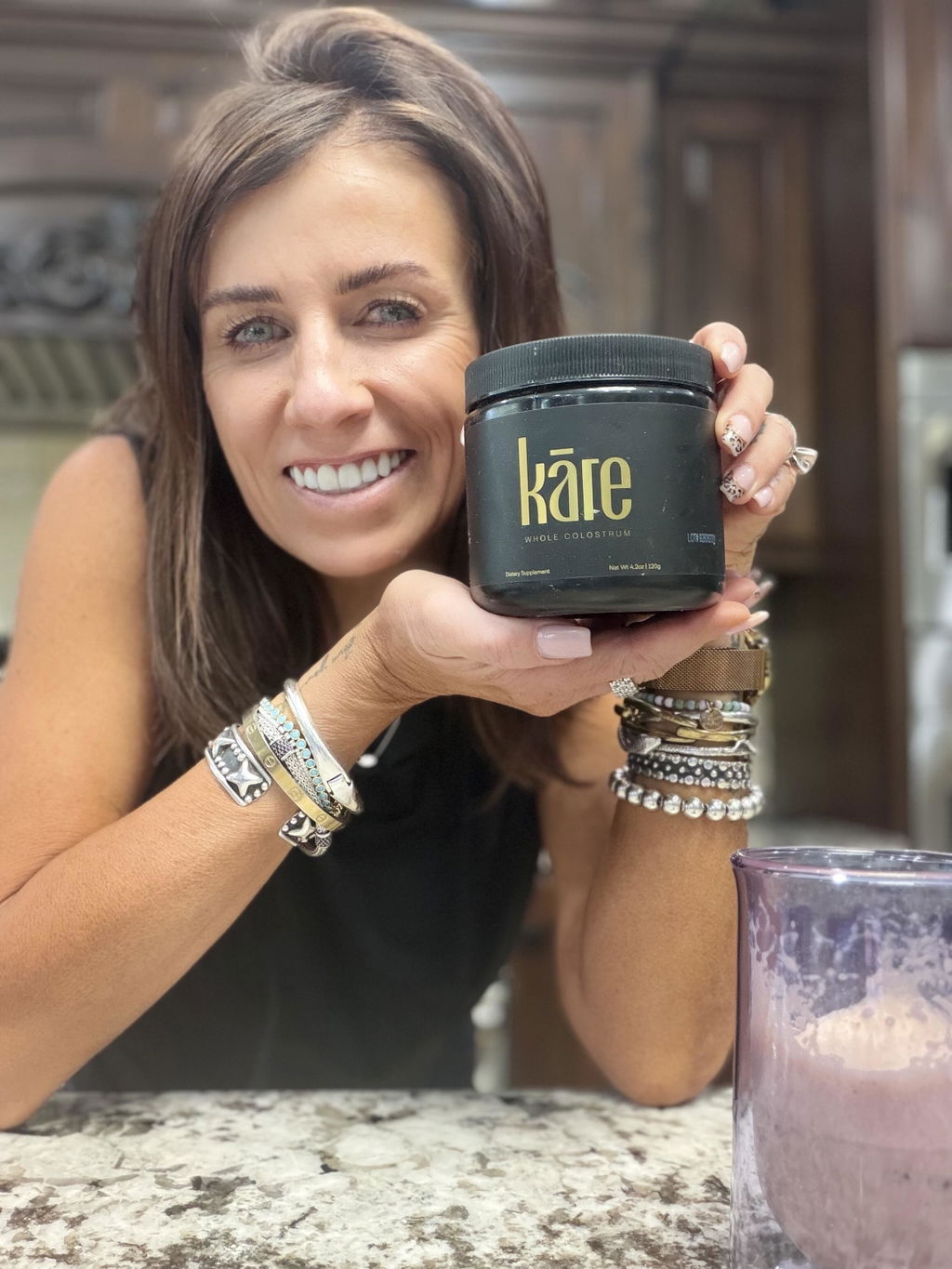
Colostrum for Stretch Marks: Does It Really Work?
Stretch marks appear when skin stretches faster than it can keep up—whether from pregnancy, growth, weight gain, or intense training. The damage happens deep in the dermis, the middle layer of skin where collagen lives. If you're searching for a natural way to support your skin's healing and elasticity, you've probably wondered if colostrum could help. The short answer: research suggests it might, and here's why it matters.
What Colostrum Does for Stretch Marks
Colostrum is the nutrient-dense first milk produced by mammals after birth. Think of it as nature's starter pack for a newborn's immune system and tissue repair. It's packed with growth factors—natural proteins that signal your body to build and repair tissue—plus amino acids (the building blocks of collagen) and bioactive compounds that support skin regeneration.
For stretch marks specifically, colostrum may work in three ways. First, it contains insulin-like growth factor 1 (IGF-1), a molecule that stimulates collagen and elastin production—the proteins that give skin its strength and bounce. Second, it supports overall skin health by nourishing the dermis from the inside out. Third, colostrum has been shown to support skin barrier function, which means better hydration and more resilience against future damage.
None of this reverses existing stretch marks overnight. But emerging research suggests consistent colostrum supplementation may help fade their appearance over months and support your skin's capacity to handle future stretching with less scarring.
The Science: Growth Factors and Collagen
The mechanism is straightforward. Stretch marks form when collagen and elastin fibers break under tension. Your body naturally tries to repair this damage, but the process is slow and often incomplete, leaving visible scars.
Colostrum's growth factors—especially IGF-1 and transforming growth factor beta (TGF-β)—accelerate fibroblast activity. Fibroblasts are the cells responsible for making collagen. Studies on oral colostrum supplementation have shown improvements in skin elasticity and hydration markers, particularly when taken consistently over 8–12 weeks.
There's also the gut-skin axis to consider. A significant portion of your immune and inflammatory response happens in your gut. When colostrum supports gut health and a balanced microbiome, systemic inflammation drops—and inflammation accelerates skin aging and impairs healing. Better gut health often means better skin health.
Why kāre's Colostrum Makes a Difference
Not all colostrum supplements are created equal. The quality of the source material and the processing method dramatically affect what actually reaches your skin.
kāre sources from grass-fed, pasture-raised cows on New Zealand's South Island, below the Southern Alps. These cows roam freely outdoors 365 days a year and eat 95%+ fresh grass—no routine vaccinations, no artificial stress. This matters because a cow's health, diet, and stress levels directly influence the nutrient density of her colostrum.
Here's the critical part: kāre processes colostrum fresh within 48 hours and uses gentle low-temperature spray-drying (37–60°C) to preserve bioactive compounds. Harsh processing damages these delicate growth factors and proteins, rendering them less effective. We use turbidity-corrected testing to measure IgG (immunoglobulin G, the key immune antibody in colostrum), so our reported numbers reflect what's actually bioactive—not inflated figures from damaged protein.
This transparency matters. Some brands report higher IgG numbers because their harsh processing breaks down other proteins that artificially elevate the count. A lower, honest number beats a higher, misleading one every time.
For stretch mark support specifically, you want colostrum where the growth factors are intact and the protein matrix is undamaged. That's what you get with kāre.
Getting the Most from Colostrum for Skin
If you're taking colostrum for stretch marks, consistency is everything. Most research showing benefits ran for 8–12 weeks of daily supplementation. Pair it with good hydration, sunscreen, and patience—skin remodeling takes time. Some people find that combining colostrum with other skin-supporting practices like topical retinoids or microneedling amplifies results, though always check with your dermatologist first.
Stretch marks are a normal part of life, not a flaw. But if you want to support your skin's natural ability to heal and build resilience, colostrum offers a science-backed, whole-body approach that goes beyond surface-level fixes.
Ready to support your skin from within? Try kāre colostrum—ethically sourced, transparently tested, and designed to work with your body's own healing systems.