Colostrum for Skiing and Snowboarding: Build Resilience for Winter Sports Performance
You're pushing your body hard on the slopes—cold air, altitude shifts, repetitive muscle strain, and the constant immune challenge of crowded ski resorts. It's a lot. Your legs are stronger than they were last season, but so is the toll. If you're serious about winter sports performance and recovery, you've probably noticed that standard nutrition isn't quite cutting it. Colostrum—the nutrient-dense first milk from cows—has quietly become a go-to supplement for athletes who need to recover faster, stay healthier through the season, and build genuine endurance. Here's what the research shows, and why skiers and snowboarders are paying attention.
How Colostrum Supports Skiing and Snowboarding Performance
Colostrum contains a concentrated blend of growth factors, antibodies, and amino acids designed by nature to strengthen a newborn's immunity and growth—and your adult body responds remarkably well to the same compounds.
For winter sports athletes specifically, colostrum may support three critical areas:
Immune resilience: Ski resorts are germ incubators. Colostrum is rich in IgG (immunoglobulin G), the primary antibody that circulates in your bloodstream and recognizes pathogens. Research suggests that athletes supplementing with colostrum experience fewer upper respiratory infections during heavy training periods—meaning fewer lost days on the mountain.
Muscle recovery and endurance: Colostrum contains growth hormone, IGF-1 (insulin-like growth factor 1), and branch-chain amino acids. These compounds have been shown to support muscle repair after intense exertion, reduce delayed-onset muscle soreness, and enhance aerobic capacity. For skiers and snowboarders, that translates to more aggressive runs, stronger legs midway through the day, and faster bounce-back between sessions.
Gut barrier function: Intense training, altitude exposure, and cold stress can compromise your gut lining—which weakens your immune system further. Colostrum's amino acids and growth factors may help restore and strengthen the intestinal barrier, improving nutrient absorption and immune signaling overall.
The Science: Why Colostrum Works for Winter Athletes
Colostrum's power comes from its bioactive compounds. The most studied is IgG—the antibody we mentioned above. IgG binds to harmful bacteria and viruses in your digestive tract, neutralizing them before they can enter your bloodstream. This is especially valuable during winter, when respiratory viruses circulate and your immune system is already working overtime under training stress.
Beyond IgG, colostrum delivers lactoferrin (an iron-binding protein with antimicrobial properties), lysozyme (an enzyme that breaks down bacterial walls), and proline-rich polypeptides (PRPs, which regulate immune response). Together, these compounds create what researchers call "passive immunity"—you're getting antibody support without having to generate it yourself, which frees your immune system to focus on other threats.
For muscle and endurance, the growth factors in colostrum—particularly IGF-1—have been shown in peer-reviewed studies to stimulate protein synthesis and reduce protein breakdown. This means colostrum may accelerate recovery from the eccentric loading (downhill turns) that hammers your quads and knees.
A deeper dive into colostrum for athletes reveals that timing matters: taking colostrum daily, rather than just around hard training days, builds a protective baseline of immune function and gut health. For seasonal sports like skiing, this baseline becomes your foundation.
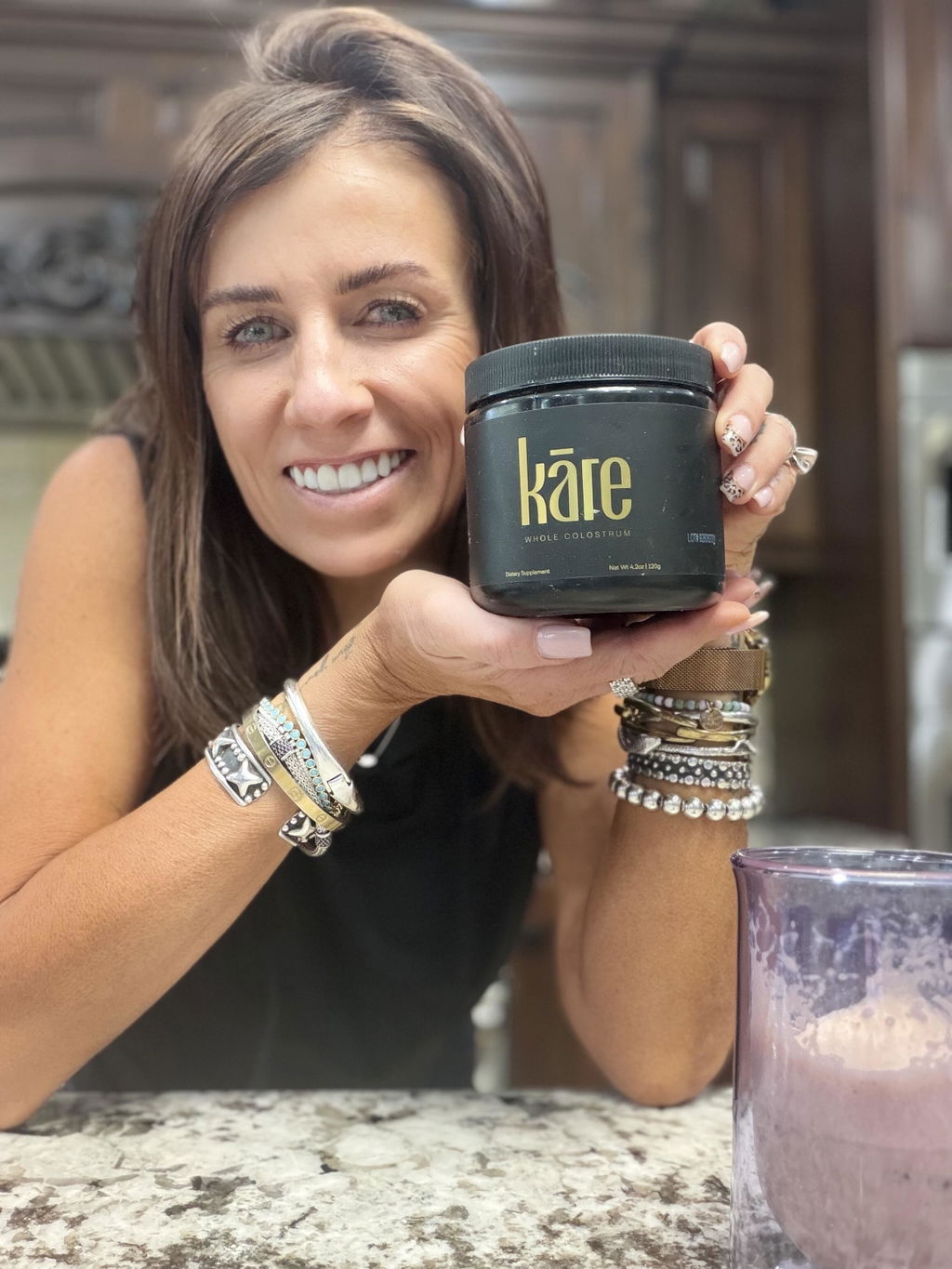
Why kāre Colostrum Is Built for Winter Athletes
Not all colostrum is created equal. The difference comes down to sourcing, ethics, and testing transparency.
kāre sources from grass-fed, pasture-raised cows on New Zealand's South Island, below the Southern Alps. These cows roam freely outdoors 365 days a year—they're not stressed, not routinely vaccinated, and not exposed to the industrial pressures that compromise colostrum quality elsewhere. That matters. A cow's stress level directly affects the concentration and bioactivity of immune compounds in its colostrum.
Second: processing speed and temperature. kāre processes fresh colostrum within 48 hours of collection using a gentle, low-temperature spray-dry method (37–60°C). Harsh processing damages the delicate proteins you're paying for. Some brands report inflated IgG numbers because their aggressive methods have already denatured the proteins. kāre uses turbidity-corrected testing—meaning the IgG number reported is actually bioactive and functional, not damaged goods masquerading as potency.
Finally, ethics: kāre's calves receive their first 4 litres before any colostrum is collected for supplements. You're never taking nutrition away from the animal. Combined with Non-GMO, rBST-free, and FSSC 22000 certification, you're getting colostrum that performs because it was raised and processed with integrity.
Ski season is short. Your body's capacity to stay healthy, recover hard, and perform consistently is the real competitive edge. Colostrum won't replace good sleep, smart training, or solid nutrition—but it stacks on top of those foundations with genuine science and natural bioactive compounds. Ready to strengthen your resilience on the slopes? Try kāre colostrum and feel the difference by midseason.