Colostrum for Post-Illness Recovery: How Nature's First Milk Helps You Bounce Back
You've been sick. Maybe it was a rough cold, the flu, or something that knocked you sideways for a week or two. You're technically better now—the fever's gone, you're back at work—but you still feel flat. Your energy's low, your digestion's a bit off, and you're worried about getting knocked down again.
This is where most people miss something important: recovery isn't just about the illness ending. It's about rebuilding the defences that got breached.
Colostrum—the nutrient-dense first milk produced by cows after giving birth—is designed by nature to do exactly that. It's packed with immune antibodies, growth factors, and compounds that help rebuild your gut barrier and restore your immune resilience. Research suggests colostrum may accelerate recovery and help prevent the lingering weakness that follows infection.
Here's what you need to know.
What Colostrum Does for Post-Illness Recovery
After illness, three things need attention: your immune system (which just fought hard), your gut barrier (where 70% of your immune system lives), and your energy levels (which took a beating).
Colostrum addresses all three at once.
Unlike regular milk, colostrum is concentrated with immunoglobulins—these are antibody proteins that recognise pathogens and train your immune system. IgG, the main immunoglobulin in colostrum, has been shown in research to support immune function and help maintain a healthy gut lining. When your gut barrier is strong, it filters properly. When it's weak (which happens after illness), unwanted particles slip through, triggering unnecessary inflammation and slower recovery.
Colostrum also contains lactoferrin and lysozyme, two antimicrobial compounds that support healthy bacterial balance. After illness—especially if you've taken antibiotics—your gut microbiome is depleted. Colostrum helps create an environment where beneficial bacteria can thrive again.
People who take colostrum during recovery often report feeling stronger faster, with better energy and fewer lingering symptoms.
The Science: How Colostrum Rebuilds Immune Resilience
This isn't just anecdotal. Research on colostrum and immune recovery is solid.
Studies have shown that colostrum may support immune cells called IgA secreting cells, which patrol your gut and respiratory tract. After illness, these are depleted. Colostrum provides both the antibodies themselves and the nutrients to help your body produce more.
The growth factors in colostrum—particularly IGF-1 (insulin-like growth factor 1)—have been shown in research to support gut lining repair. A damaged or inflamed gut barrier is common after infection and can extend recovery. IGF-1 helps tighten the junctions between gut cells, reducing inflammation and improving nutrient absorption. Better absorption means better recovery.
One more thing: colostrum contains high levels of proline-rich polypeptides (PRPs). Research suggests these may help modulate immune response—not just boosting it, but balancing it. This matters because an overactive immune system after illness can trigger fatigue and brain fog. PRPs help keep immunity smart, not just strong.
The window for colostrum's impact is biggest in the 2–4 weeks after acute illness, when your body is actively rebuilding.
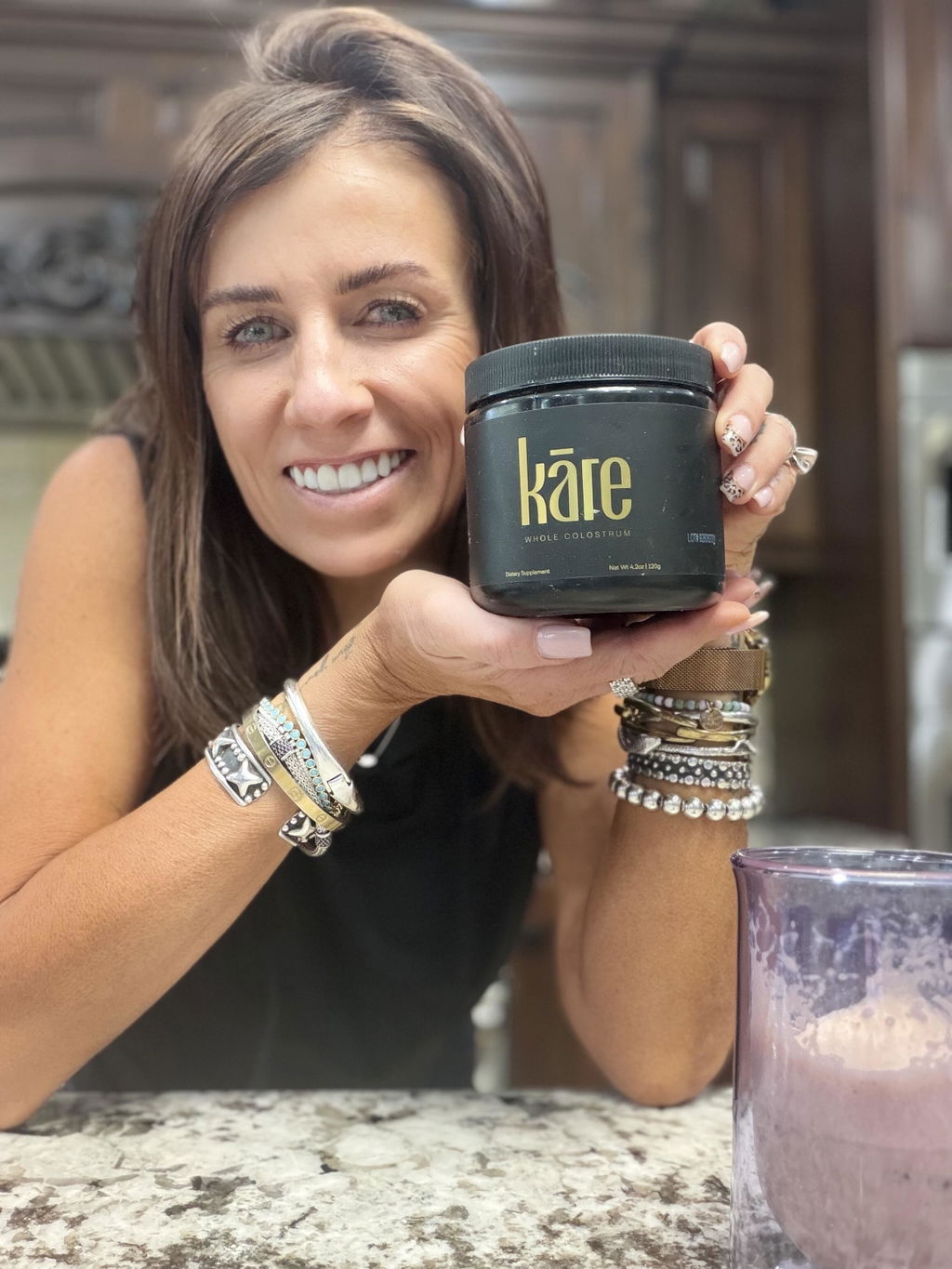
Why kāre Colostrum Is Different for Recovery
Not all colostrum is equal. Processing matters enormously.
Most colostrum is freeze-dried or spray-dried at high temperatures (70°C+). This damages the delicate proteins—including IgG—that make colostrum work. Some brands then report inflated IgG numbers because they're measuring denatured (broken) proteins, not bioactive ones.
kāre uses gentle low-temperature spray-drying (37–60°C) and turbidity-corrected IgG testing. This means our reported IgG is actually bioactive. A lower accurate number beats a higher inflated number every time.
Our colostrum is sourced from grass-fed cows on New Zealand's South Island—cows that roam freely outdoors 365 days a year on fresh pasture. They're never routinely vaccinated or artificially stressed, which means their colostrum is robust and naturally diverse in immune factors. We process fresh within 48 hours, never frozen. This preserves the heat-sensitive compounds that support recovery.
And it's ethical: calves always receive their first 4 litres before any collection happens.
For post-illness recovery, you want colostrum that actually works. Not marketing numbers. Real bioactivity.
How to Use Colostrum for Recovery
Start as soon as you're past the acute phase—when fever's gone but you're still weak. A typical serving is 10–15g daily, mixed into water, juice, or added to smoothies. Most people notice improvement within 1–2 weeks. Learn more about taking colostrum daily for best results.
If your recovery is slow or complicated—especially if you're dealing with lingering gut inflammation—colostrum pairs well with other recovery practices: good sleep, hydration, and movement as soon as you're able.
The Bottom Line
Post-illness isn't just about waiting. Your body needs real support to rebuild. Colostrum—especially high-quality, bioactive colostrum from ethically raised cows—gives you the antibodies, growth factors, and immune modulators that speed recovery and restore resilience.
You don't have to drag through recovery. Try kāre colostrum and feel the difference fresh, potent nutrition can make.