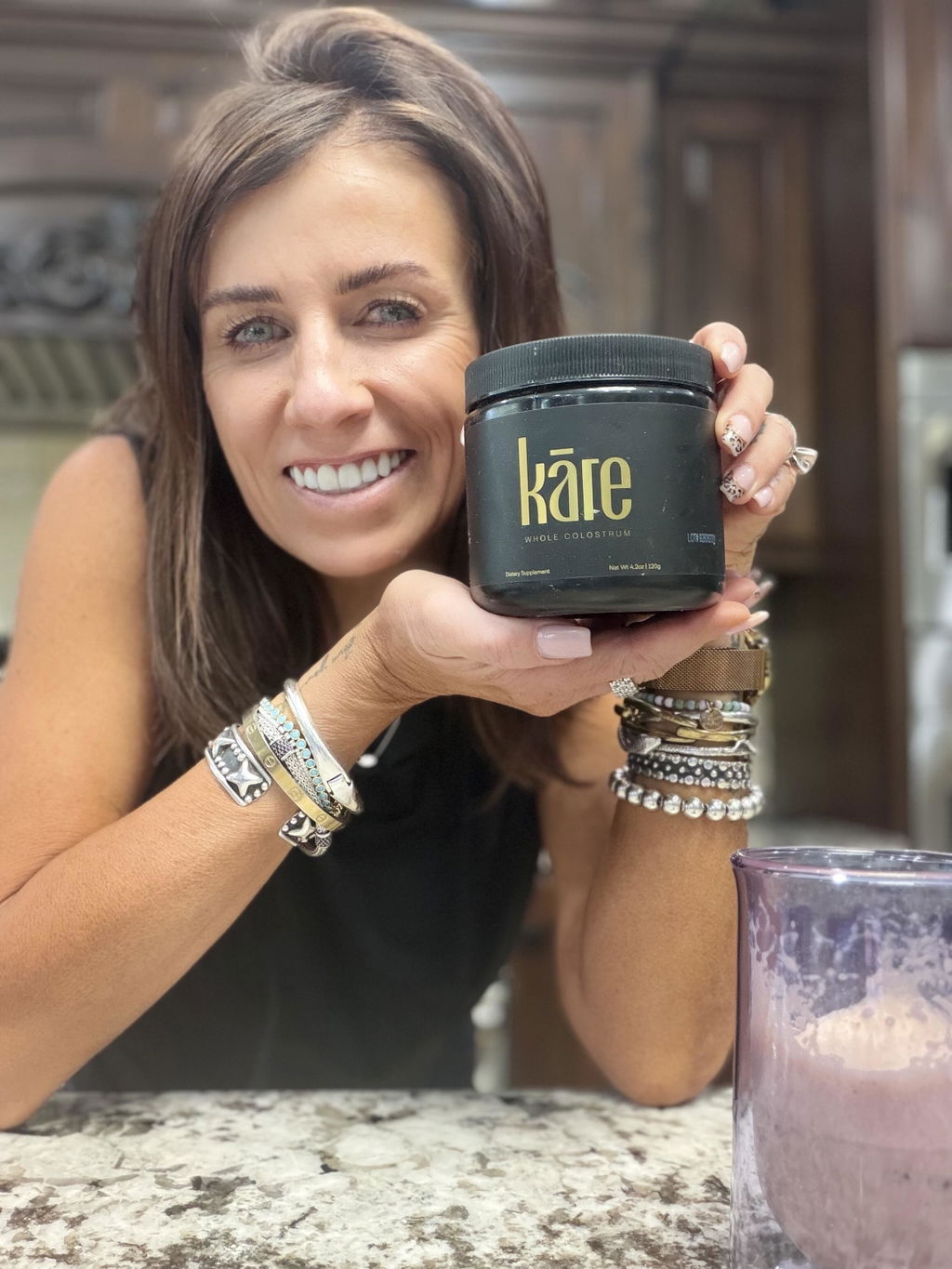
Colostrum for Osteoporosis Prevention: Nature's Bone-Building Blueprint
If you're worried about bone density—whether you're navigating perimenopause, managing hormonal shifts, or simply wanting to protect your skeletal health—you've probably heard conflicting advice. Calcium gets all the attention. Vitamin D too. But there's a quieter player in bone health that deserves real consideration: colostrum, the nutrient-dense first milk produced by mammals after birth. Research suggests colostrum may support bone strength and density through mechanisms that go beyond simple mineral supplementation. Here's what the science actually shows, and why this matters for your bones.
The Plain Language Answer: How Colostrum May Support Bone Health
Colostrum contains growth factors—essentially biological messengers that tell your body to build and maintain tissue. The most relevant here is insulin-like growth factor 1 (IGF-1), a protein that has been shown in research to stimulate bone-forming cells called osteoblasts. These cells are responsible for laying down new bone matrix, the structural foundation of skeletal strength.
Unlike a simple mineral supplement, colostrum works systemically. It may support gut integrity (which improves nutrient absorption), maintain healthy inflammation levels (critical for bone remodeling), and provide amino acids your bones literally need to rebuild themselves. Think of it less as a quick fix and more as giving your body the raw materials and signals it needs to maintain bone integrity over time.
For women approaching or in perimenopause, this matters especially. Fluctuating estrogen directly affects bone density. While colostrum isn't hormone replacement, research suggests it may help offset some of the bone loss associated with hormonal transition.
The Science Layer: Growth Factors, Remodeling, and Bioavailability
Bone is living tissue in constant flux—old bone is broken down, new bone is laid down. This remodeling process requires growth factors. Colostrum's IGF-1 and other bioactive proteins have been shown in peer-reviewed studies to enhance osteoblast activity and may reduce bone resorption (the breakdown phase).
There's also the gut connection. A significant portion of bone health depends on nutrient absorption. Colostrum contains lactoferrin and immunoglobulins—defensive proteins that support gut barrier function. A healthier gut lining means better absorption of calcium, magnesium, and vitamin D, the minerals your bones desperately need. This is why some researchers view colostrum as a foundational support rather than a standalone solution.
Here's what matters: not all colostrum delivers these bioactives equally. Harsh processing—high heat, aggressive filtration—damages the very proteins you're trying to get. Some brands report inflated IgG (immunoglobulin G, a key immune antibody) numbers that don't reflect what actually survives processing. Understanding IgG transparency in colostrum helps you know what you're actually getting.
The kāre Angle: Grass-Fed, Fresh, and Truthfully Tested
Colostrum quality starts before processing even begins. kāre sources from grass-fed, pasture-raised cows on New Zealand's South Island, below the Southern Alps. These cows roam freely 365 days a year on fresh grass—a 95%+ grass diet. This grazing lifestyle influences the nutrient density of colostrum itself.
More importantly: kāre processes colostrum fresh, within 48 hours of collection, using gentle low-temperature spray-drying (37-60°C). This preserves the bioactive growth factors and proteins that support bone health. The brand also uses turbidity-corrected IgG testing, meaning reported numbers reflect what's actually bioavailable—not inflated figures from damaged proteins.
The ethical layer matters too: calves receive their first 4 litres before any collection happens. New Zealand cows aren't routinely vaccinated or artificially stressed, which affects colostrum composition. When sourcing matters for bioactivity, these details aren't marketing—they're biology.
For deeper context on how colostrum supports broader wellness, explore how colostrum influences gut microbiome health, which indirectly supports mineral absorption and systemic wellness.
Bone health isn't built overnight. It's supported through consistent nutrition, movement, and smart supplementation. Colostrum may support osteoporosis prevention by delivering growth factors your bones actually use, improving gut function for better nutrient absorption, and maintaining the conditions for healthy remodeling. If you're serious about bone density—especially during hormonal transition—quality matters. Try kāre and experience the difference that grass-fed, fresh, honestly-tested colostrum can make.