Colostrum for Joint Pain in Women Over 50: What the Science Says
If you're a woman in your 50s dealing with joint discomfort, you've probably tried everything—physiotherapy, supplements, adjusted your workouts. What you might not have considered is colostrum. While it sounds like something from a wellness fad, bovine colostrum has been studied for decades for its potential to support joint health. The key ingredient? Bioactive proteins and growth factors that research suggests may help maintain the structural integrity of cartilage and connective tissue.
How Colostrum May Help Joint Pain: The Straightforward Answer
Colostrum is the nutrient-rich fluid that bovine mothers produce in the first few days after calving. It's packed with immunoglobulins (antibodies that fight infection), growth factors (proteins that stimulate tissue repair), and amino acids (the building blocks of muscle and connective tissue). For women experiencing joint discomfort in their 50s, these compounds may offer real support.
Here's what matters: as we age, our bodies produce less collagen—the protein that keeps cartilage cushioned and flexible. Colostrum contains IgG and other immunoglobulins that research suggests may help reduce inflammatory responses in joints. It also provides growth factors like IGF-1 (insulin-like growth factor 1), which has been shown in studies to stimulate cartilage cells and support tissue regeneration.
The result? Research indicates that regular colostrum supplementation may help support joint mobility, reduce discomfort during movement, and support the body's natural repair processes. It's not a magic cure—but it's a thoughtful addition to a routine that already includes movement, strength training, and good nutrition.
The Science Behind Colostrum and Joint Health
The mechanism is fairly elegant. Colostrum contains lactoferrin, lysozyme, and proline-rich polypeptides—compounds with research-backed anti-inflammatory properties. When you consume colostrum, these bioactive molecules reach your gut, where they're absorbed and distributed throughout your body. They may help modulate your immune response, reducing the chronic low-level inflammation that often accompanies joint discomfort in midlife.
Additionally, colostrum's amino acid profile—particularly high in proline and glycine—directly supports collagen synthesis. Your body needs these amino acids to rebuild and maintain the structural proteins in cartilage and connective tissue. A 2019 study published in the Journal of the International Society of Sports Nutrition found that colostrum supplementation was associated with improved joint comfort markers in active adults.
For women in their 50s specifically, there's an added benefit: colostrum may support perimenopause and menopause symptom management. Hormonal shifts during this phase can amplify joint discomfort. Colostrum's immune-regulating and anti-inflammatory properties may help offset some of this effect.
Why kāre's Colostrum Makes a Real Difference
Not all colostrum is created equal. The processing method determines whether the bioactive compounds actually survive to do their work. Many brands use high-heat processing that damages these delicate proteins—then report inflated IgG numbers to compensate. That's marketing, not science.
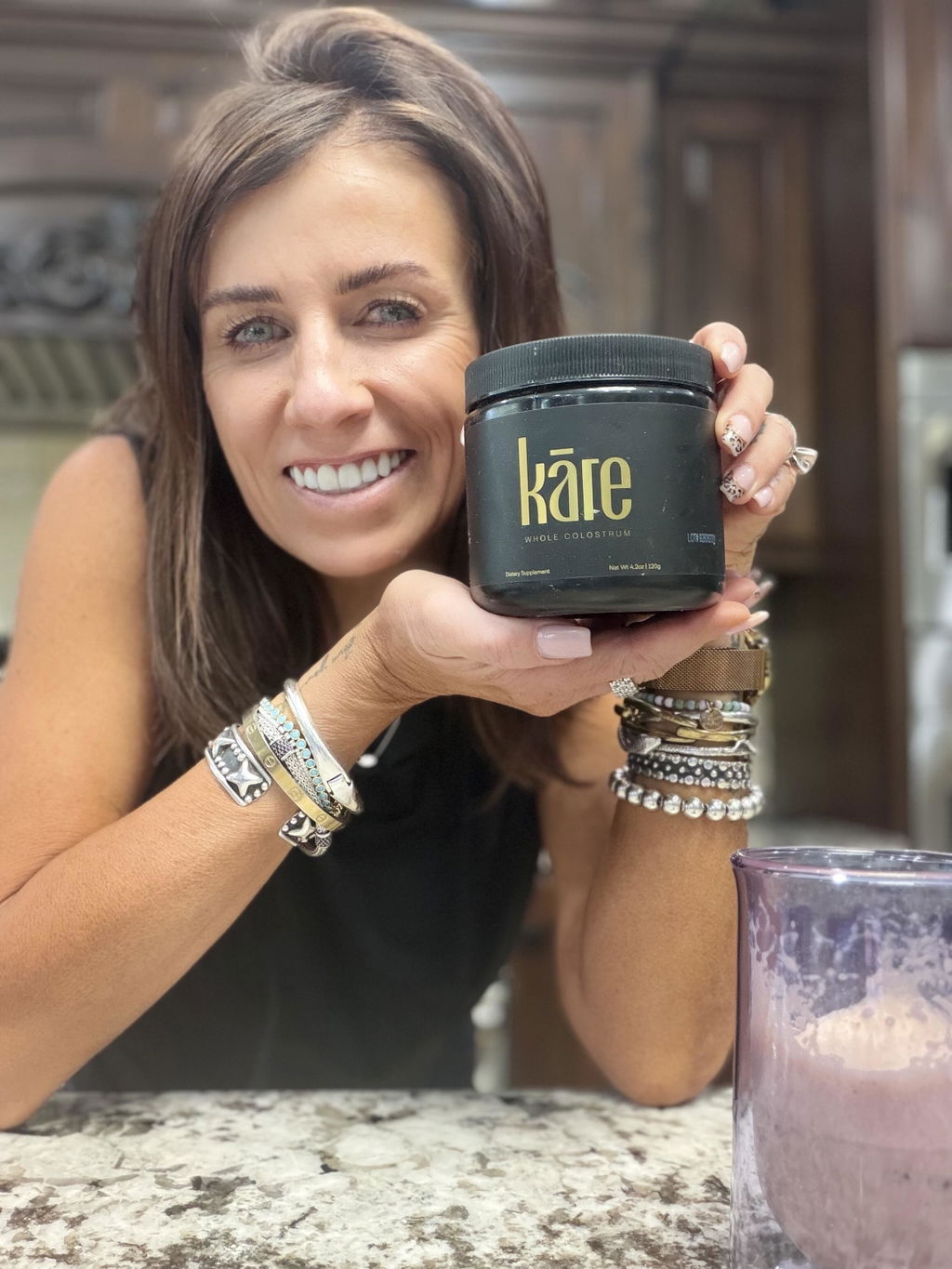
kāre sources colostrum from grass-fed, pasture-raised cows on New Zealand's South Island. These cows roam outdoors 365 days a year on fresh grass—no routine vaccinations, no artificial stress. The colostrum is processed fresh within 48 hours using gentle low-temperature spray-drying (37-60°C), which preserves the bioactive properties that matter for joint health. We also use turbidity-corrected testing for IgG, so our numbers reflect what's actually bioavailable—not inflated figures from damaged proteins.
This matters because a lower, accurate IgG count from properly preserved colostrum will do more for your joints than a higher inflated number from heavily processed alternatives. You're getting real bioactivity, not just impressive-looking labels.
For women navigating joint discomfort in their 50s, colostrum offers a whole-food approach backed by research. Combined with movement, strength training, and adequate nutrition, it's a way to support your body's natural ability to maintain joint health during a significant life phase.
Ready to see if colostrum supports your joint comfort? Try kāre and experience the difference that ethical, transparent sourcing and gentle processing can make.