Colostrum for Injury Tissue Repair: Nature's Blueprint for Faster Healing
When you injure soft tissue—a strained muscle, sprained ligament, or torn tendon—your body launches a repair cascade that demands specific building blocks and signaling molecules. Most people reach for ice, compression, and rest. Smart ones add colostrum, the nutrient-dense first milk that supports the body's own healing infrastructure. If you're athletic, active, or just tired of slow recovery, understanding colostrum for injury tissue repair changes how you approach damage control.
How Colostrum Supports Tissue Healing (Plain Truth First)
Colostrum isn't magic. It's biological scaffolding. When you damage tissue, you need two things: signals telling your body to rebuild, and raw materials to build with. Colostrum delivers both.
The star players are growth factors—chemical messengers that tell your cells to proliferate and differentiate. Insulin-like growth factor 1 (IGF-1, a natural hormone-like substance your body already makes) is packed into colostrum. It directly stimulates the growth of muscle, cartilage, and connective tissue cells. Fibroblasts (the cells that lay down collagen, the structural protein in tendons and ligaments) respond to IGF-1 by working faster.
Colostrum also contains immunoglobulins, especially IgG (an antibody, or immune protein, that blocks harmful inflammation). During the acute healing phase, some inflammation is necessary. But excessive inflammation delays repair and causes scar tissue buildup. IgG helps calibrate the immune response—enough to clean up and initiate healing, not so much that it becomes destructive.
Add in amino acids (the building blocks of protein), minerals like zinc and copper (which collagen synthesis requires), and you have a supplement that addresses multiple layers of the repair equation.
The Research Layer: What Science Shows About Colostrum and Tissue Repair
Studies on colostrum and athletic recovery are encouraging, though still emerging. Research suggests that colostrum supplementation may support faster recovery of muscle strength after intense exercise or injury. One mechanism: growth factors in colostrum have been shown to increase protein synthesis in muscle tissue.
The evidence for colostrum's role in joint and connective tissue healing is less direct but compelling. IGF-1 and other growth factors improve collagen deposition and angiogenesis (the formation of new blood vessels), both critical for healing damaged ligaments and tendons. Additionally, colostrum's immune-regulating properties may reduce chronic inflammation that stalls recovery.
For skin injuries and wound healing, colostrum's growth factors and antimicrobial immunoglobulins have been studied in clinical settings. The results suggest faster epithelialization (the formation of new skin surface) and stronger barrier function.
The caveat: most human studies use relatively small sample sizes, and more long-term data would strengthen the case. But the biological plausibility is rock-solid, and anecdotal evidence from athletes is consistent.
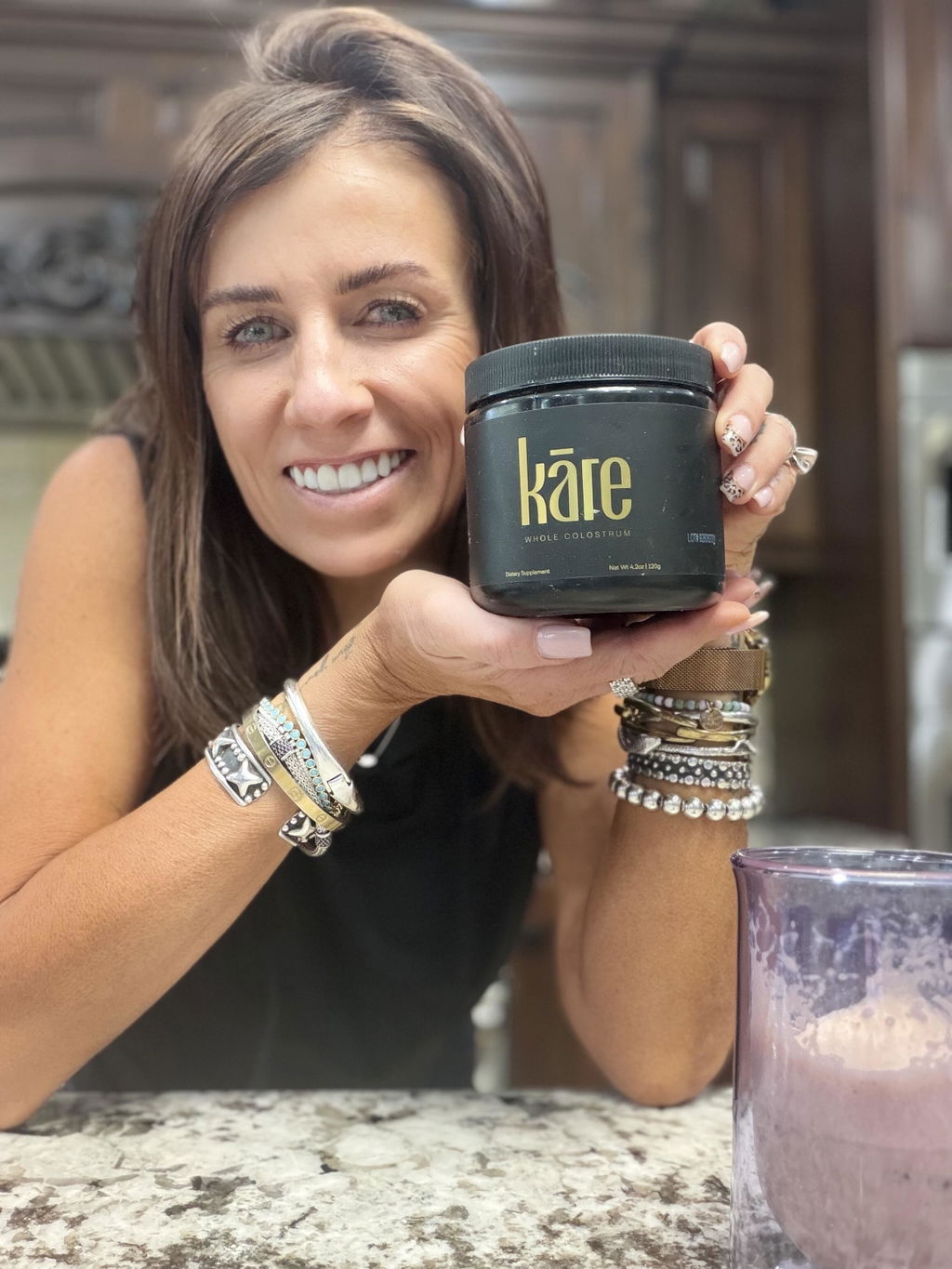
Why kāre Colostrum Matters for Real Repair
Not all colostrum supplements are equal. The processing method—specifically how harshly the colostrum is heated—determines whether those delicate growth factors survive intact.
kāre uses low-temperature spray-drying (37–60°C, much gentler than industry standard) to preserve bioactive proteins. We also process fresh within 48 hours of collection, never freeze, and source from grass-fed cows on New Zealand's South Island that graze freely outdoors 365 days a year. That diet and lifestyle matters: grass-fed bovine colostrum has a richer micronutrient profile than conventional alternatives.
Here's the transparency piece: we test for IgG using turbidity-corrected methods, meaning the numbers we report are actually bioactive, not inflated by protein damage. Some brands report higher IgG because harsh processing breaks proteins into fragments that still register on crude tests but don't function. We'd rather be honest about a lower, real number.
For injury recovery, bioactivity is everything. A colostrum that looks good on paper but has been cooked into submission won't support tissue repair the way fresh, carefully processed colostrum will.
If you're serious about healing—whether you're an athlete bouncing back from a training injury or someone recovering from surgery—colostrum deserves a place in your protocol. Try kāre and experience the difference quality makes.
Want to dig deeper? Learn more about what IgG actually does in colostrum, or explore how colostrum supports athletic recovery.