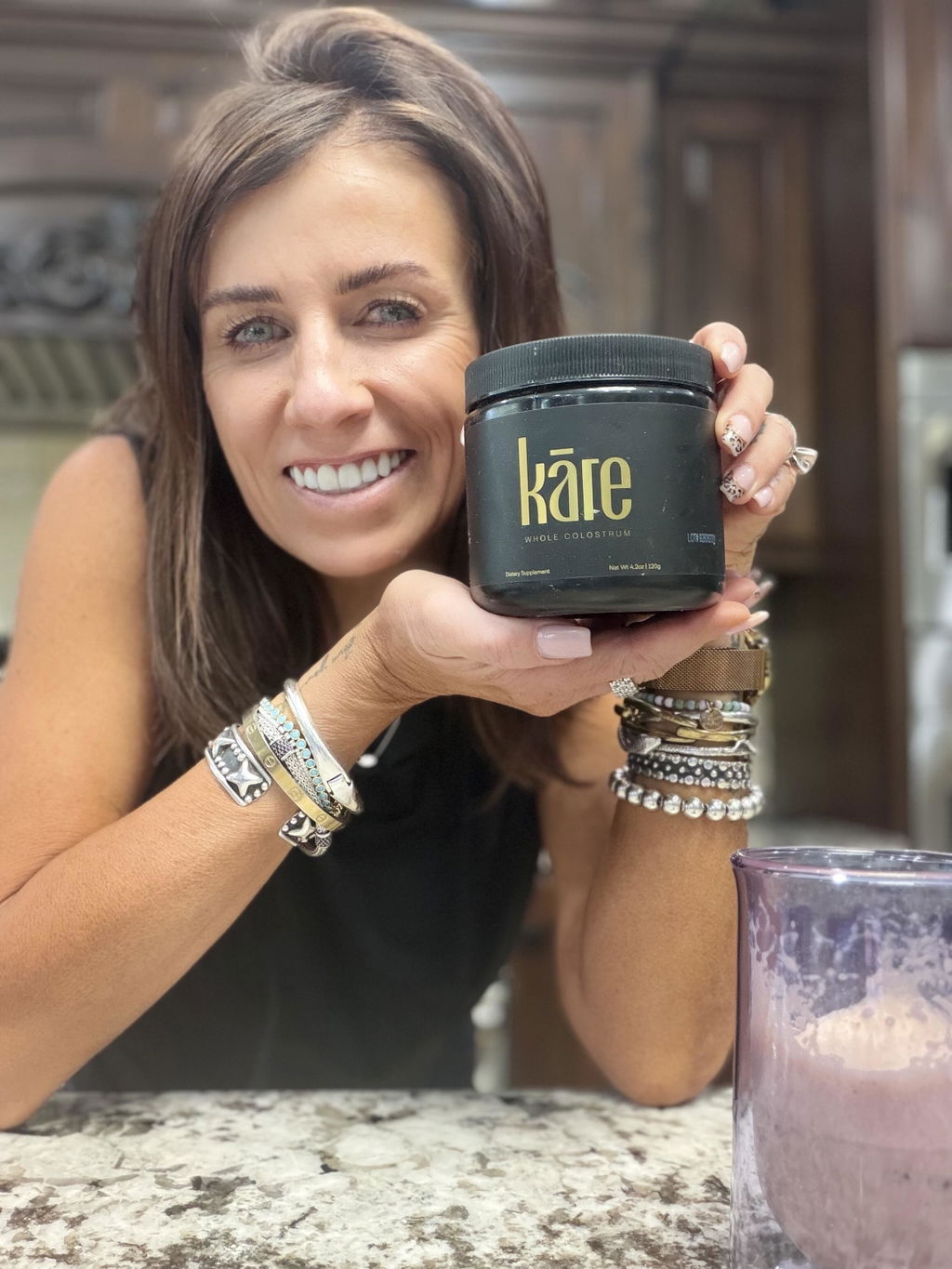
Colostrum for Dysbiosis: Restoring Your Gut's Bacterial Balance
If you've been diagnosed with dysbiosis—or you just know something feels off in your gut—you're not alone. Dysbiosis, the imbalance of gut bacteria where harmful microbes outnumber beneficial ones, affects digestion, energy, mood, and immune function. You've probably tried probiotics. You've cleaned up your diet. But your gut still isn't cooperating. That's where colostrum comes in. Bovine colostrum, the nutrient-dense first milk from cows, contains compounds specifically designed by nature to establish and maintain a healthy gut environment. Let's look at how it works and why it might be exactly what your microbiome needs.
What Dysbiosis Is (And Why Colostrum Matters)
Dysbiosis isn't a disease you catch. It's a breakdown in the delicate ecosystem inside your digestive tract. Your gut is supposed to host trillions of bacteria—mostly helpful ones that aid digestion, produce vitamins, and defend against invaders. When that balance tips, problems multiply: bloating, irregular bowel movements, brain fog, skin issues, and compromised immunity often follow.
Colostrum may support dysbiosis recovery in a way that goes beyond simple probiotics. Rather than just adding good bacteria, colostrum works like a reset button. It contains immunoglobulins (antibodies), lactoferrin (an iron-binding protein), and growth factors that research suggests may help restore gut barrier integrity, reduce inflammation, and create conditions where beneficial bacteria can thrive again.
Think of it this way: probiotics are the seeds. Colostrum is the soil that makes seeds grow.
The Mechanism: How Colostrum Supports Microbial Rebalancing
The science here is elegant. Colostrum contains high levels of IgG (immunoglobulin G), the most abundant antibody in your body. IgG has been shown in research to selectively bind to harmful bacteria and pathogens, essentially marking them for removal without triggering aggressive inflammation. This targeted approach is gentler than broad-spectrum interventions.
Lactoferrin, another key component, binds iron in ways that make it unavailable to pathogenic bacteria—starving them out while leaving beneficial bacteria unaffected. Studies suggest lactoferrin may also encourage the growth of Lactobacillus and Bifidobacterium species, the good guys you want thriving.
Colostrum also contains growth factors (like IGF-1) that research indicates may strengthen the intestinal barrier itself. A compromised gut lining—often present in dysbiosis—allows unwanted particles to slip through (sometimes called "leaky gut"). Repairing that barrier is foundational to restoring balance.
The result: dysbiosis doesn't just get masked. The conditions that allowed it to develop in the first place begin to shift.
Why kare Colostrum Is Different for Gut Health
Not all colostrum is created equal—and for dysbiosis support, that matters.
kare sources bovine colostrum from grass-fed, pasture-raised cows on New Zealand's South Island, below the Southern Alps. These cows roam freely outdoors 365 days a year on 95%+ fresh grass diet. Why does this matter? Because what the cow eats directly affects the nutrient density and bioactive profile of her colostrum. Free-ranging, grass-fed cows produce colostrum richer in the compounds you need.
We process it fresh within 48 hours—never frozen—using gentle low-temperature spray-drying (37–60°C) that preserves the delicate proteins and growth factors that dysbiosis support requires. Harsh processing temperatures can denature these molecules, rendering them less bioactive.
Here's the transparency piece that matters most: we measure IgG using turbidity-corrected testing, which accounts for how processing affects protein integrity. Some brands report inflated IgG numbers from harsher methods that actually damage the very proteins they're counting. Our reported IgG is genuinely bioactive. A lower accurate number beats a higher misleading one when you're trying to heal your gut.
We're also rBST-free, non-GMO, and certified FSSC 22000 and ISO 17025. And yes, the calves always get their first 4 litres before we collect anything—because ethics and gut health go together.
Learn more about what IgG actually does in colostrum and how colostrum supports overall microbiome health.
Dysbiosis took time to develop. Healing it requires the right tools—not just probiotics, but genuine nutritional support for your gut's bacterial ecosystem. kare colostrum, sourced and processed with care, may be the reset your microbiome has been waiting for. Try kare today and experience the difference clean, bioactive colostrum can make.