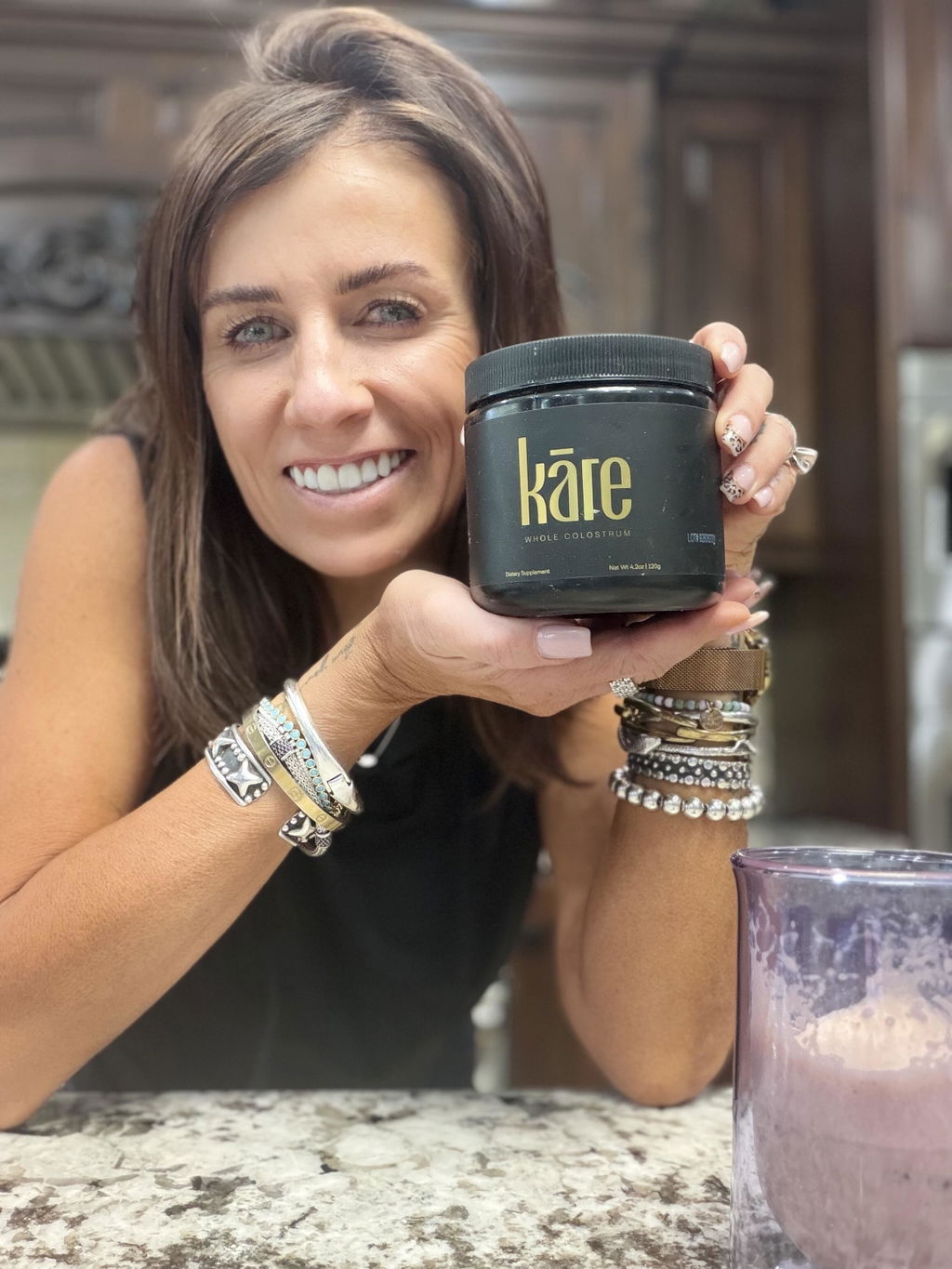
Colostrum for Acne: Understanding the Gut-Skin Connection
You've tried the creams. You've adjusted your diet. Yet your skin still breaks out. What if the real culprit isn't on your face—it's in your gut? The connection between digestive health and acne is real, and it's backed by solid science. If you're exploring colostrum for acne, you're already thinking in the right direction: healing your gut to heal your skin. Here's what you need to know.
The Gut-Skin Axis: Plain Language First
Your gut and your skin talk to each other constantly. When your digestive system is compromised—whether from inflammation, poor barrier function, or imbalanced microbiota (the trillions of bacteria living in your gut)—signals travel up to your skin. The result? Flare-ups, sensitivity, and stubborn breakouts that no topical treatment can fix.
Colostrum is the nutrient-dense first milk produced by mammals after birth. It's packed with immune proteins, growth factors, and compounds that may support gut barrier integrity—the physical lining that keeps bad stuff out and good stuff in. A stronger gut barrier can mean fewer inflammatory triggers reaching your bloodstream, which means less inflammation signalling to your skin.
Think of your gut lining as a selective bouncer. When it's weak, unwanted guests slip through. Colostrum may help you hire better bouncers.
The Science of Colostrum, Immunity, and Inflammation
Colostrum contains high concentrations of immunoglobulins—particularly IgG, the most abundant antibody in your body. IgG doesn't just fight pathogens; it helps regulate your immune response, which is crucial because acne isn't just about bacteria or oil. It's an inflammatory condition.
Research suggests that colostrum may support intestinal permeability (how selective your gut lining is), enhance the diversity of your gut microbiota, and reduce systemic inflammation. When your gut is less inflamed and your barrier is stronger, your immune system doesn't overreact to every minor trigger—and that includes acne-causing bacteria on your skin.
Additionally, colostrum contains lactoferrin, a protein that may support healthy bacterial balance, and growth factors like IGF-1 (insulin-like growth factor 1) that research has shown may influence skin health. The mechanism is indirect but powerful: a healthier gut environment supports healthier skin.
Why kāre Colostrum Matters for Your Skin
Not all colostrum is created equal—and this matters when you're counting on bioactive compounds to do the work.
kāre sources colostrum from grass-fed, pasture-raised cows on New Zealand's South Island, below the Southern Alps. These cows roam outdoors 365 days a year on 95%+ fresh grass. No routine vaccinations. No artificial stress. Clean genetics, clean environment.
But sourcing is only half the story. Processing matters enormously. Harsh heat, freezing, and aggressive extraction damage the very proteins and growth factors you're taking colostrum for in the first place. Some brands report inflated IgG numbers because their processing has damaged proteins, which changes how they measure.
kāre uses gentle, low-temperature spray-drying (37–60°C) and processes colostrum fresh within 48 hours—never frozen. We also use turbidity-corrected IgG testing, which means our reported numbers are actually bioactive. A lower accurate number beats a higher inflated number every time. When you're supporting your gut microbiome and intestinal health, you need colostrum that actually works.
Plus, every batch is certified FSSC 22000, ISO 17025, Kosher, Halal, Non-GMO, and rBST-free. And yes—calves receive their first 4 litres before any collection. Always ethical.
Closing Thoughts
Clear skin starts from the inside. If you're serious about the gut-skin connection, colostrum backed by real sourcing practices and transparent testing is worth your attention. Your skin will thank you.
Ready to support your gut and your skin? Try kāre colostrum.