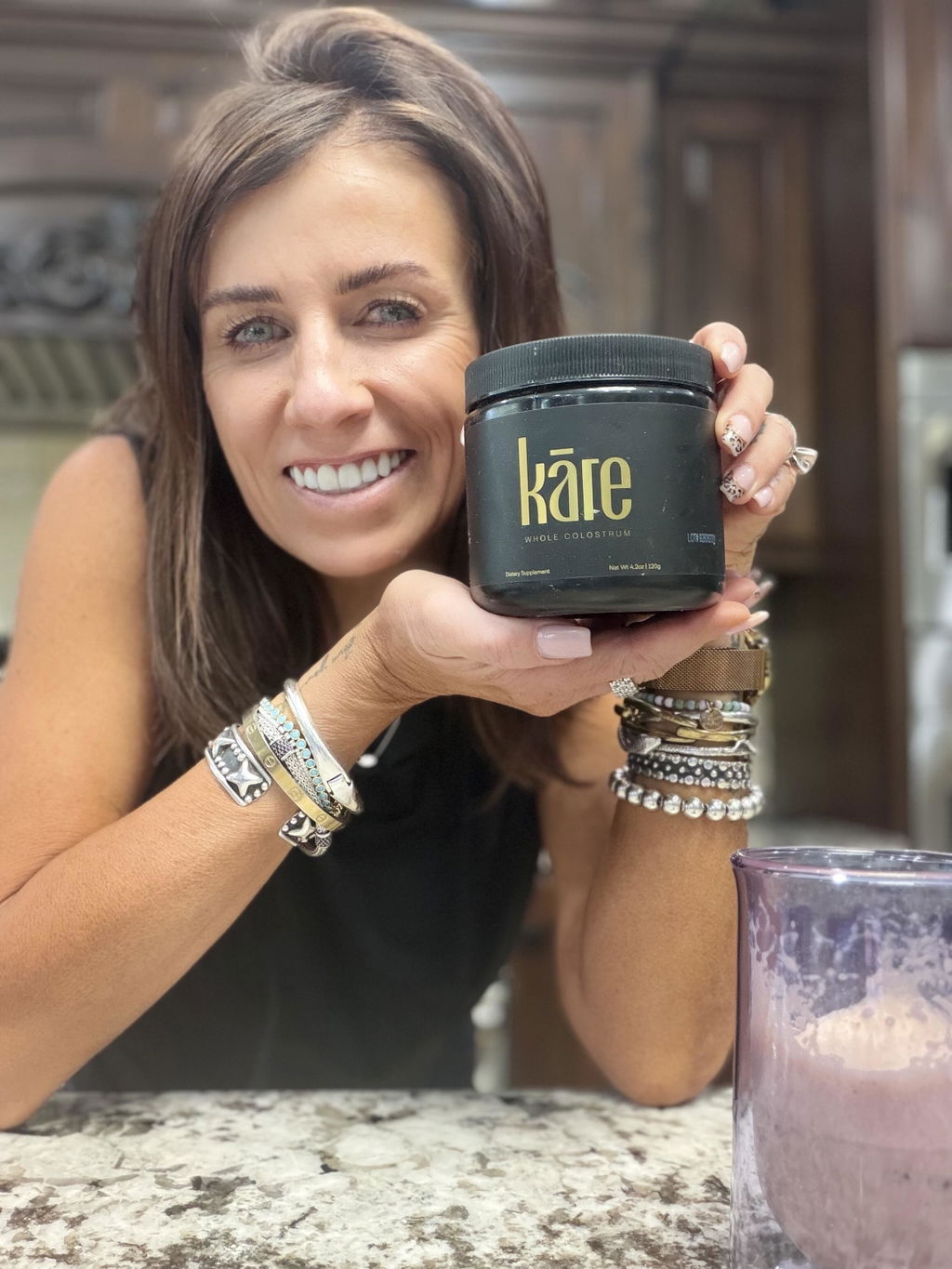
Clean Label Colostrum Supplement: What Actually Matters Beyond the Marketing
You're shopping for a colostrum supplement and the label says "clean." So does the next one. And the one after that. When everything claims to be clean, how do you actually know what you're buying? The truth is: clean label colostrum is less about buzzwords and more about three things—where it comes from, how it's processed, and whether the bioactive compounds are actually still active. Let's cut through the noise.
What Makes a Colostrum Supplement Actually "Clean"?
A clean label colostrum supplement is straightforward: it contains colostrum (the nutrient-dense first milk from cows), nothing unnecessary added, and nothing lost in processing. No fillers. No preservatives. No additives. Just the real thing, preserved well enough to reach you with its beneficial properties intact.
In plain terms, clean label means transparency about three areas: sourcing, processing, and testing. You should be able to trace where the cows live, understand why the processing method was chosen, and see actual test results that prove what's in the powder matches what's on the label.
Colostrum itself is rich in IgG, an immune antibody that research suggests may support immune function and gut health. But here's the catch—harsh processing can damage these delicate proteins, making them less bioavailable (basically, your body can't use them as effectively). A truly clean label product doesn't just avoid added junk; it preserves the bioactive compounds that make colostrum worth taking in the first place.
The Processing Layer: Why Temperature and Testing Method Matter
Most people don't think about processing temperature, but it's where the real difference lives. Colostrum proteins are sensitive to heat. Spray-dry the colostrum at high temperatures (some brands use 70-80°C or higher) and you're inadvertently damaging the very compounds you're paying for.
Gentle, low-temperature processing—around 37-60°C—preserves protein structure and bioactivity. This isn't marketing language; it's basic biochemistry. The lower the temperature, the more of the original nutritional profile survives to your gut.
There's also the IgG measurement itself. Some brands report inflated IgG numbers because they use standard turbidity testing, which can overestimate protein content when harsh processing has damaged those proteins. A clean label brand uses turbidity-corrected testing—a more accurate method that distinguishes between intact, bioactive IgG and protein fragments. A lower, verified number is always better than a higher, inflated one.
kare's Angle: NZ Sourcing, Ethical Farming, Real Numbers
kare sources from grass-fed, pasture-raised cows on New Zealand's South Island, below the Southern Alps. These cows roam freely outdoors 365 days a year, with 95%+ of their diet coming from fresh grass. They're not routinely vaccinated or artificially stressed, and they're never given rBST (a synthetic hormone). That matters because what the cow eats and how it lives directly influences the nutritional density of its colostrum.
The processing is where kare's clean label commitment shows up in real time. Colostrum is collected fresh and processed within 48 hours—never frozen first. It's then spray-dried at 37-60°C using a gentle method that preserves bioactive properties. The result is tested using turbidity-corrected methodology, so the IgG number you see on the label is actually representative of bioactive protein, not an inflated estimate.
Ethically, kare ensures calves receive their first 4 litres of colostrum before any collection begins. This isn't negotiable; it's how farming should work. The brand carries certifications including FSSC 22000, ISO 17025, Kosher, Halal, Non-GMO, and rBST-free—proof that the clean label claim has been audited by third parties.
A clean label supplement isn't just about what's not in it. It's about where it comes from, how it's made, and whether the science backs up what's on the label. Learn more about NZ bovine colostrum sourcing and why geography matters for quality. When you're ready to try it, experience kare colostrum for yourself—no hype, just real colostrum that actually works.