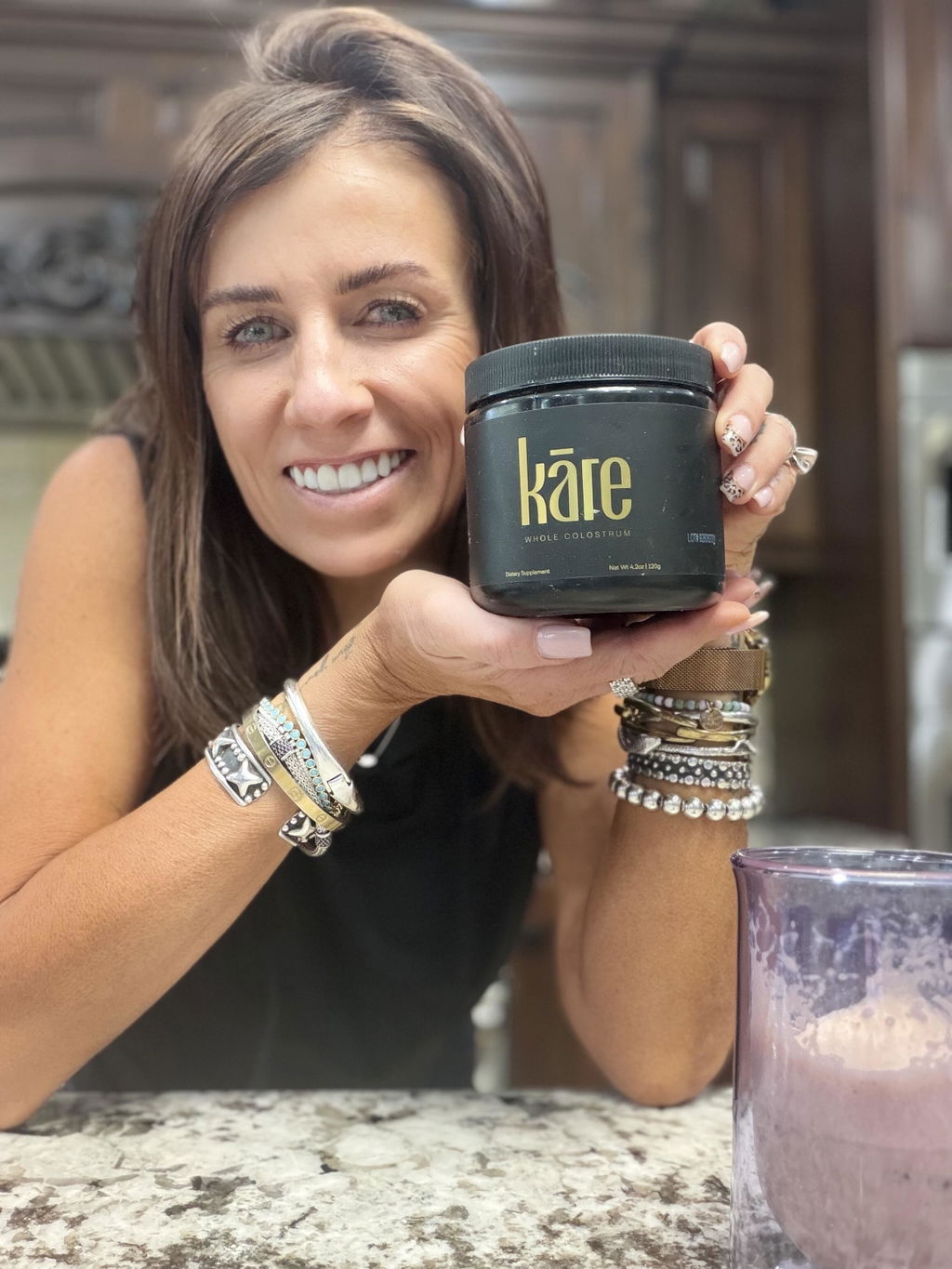
Bovine Colostrum for Skin Moisture & Hydration: Science-Backed Glow From Within
If you've been chasing hydration through serums and sheet masks, you might be missing something obvious: skin moisture starts on the inside. Bovine colostrum—the nutrient-dense first milk from cows—contains compounds that work at the cellular level to support skin hydration, elasticity, and that coveted dewy complexion. Unlike topical hydrators that sit on the surface, colostrum may help your skin retain moisture where it actually matters.
How Colostrum Supports Skin Moisture in Plain English
Here's the simple truth: your skin's moisture barrier is built from proteins, lipids, and growth factors. Bovine colostrum is loaded with all three. When you consume colostrum, your body receives amino acids (the building blocks of skin proteins), immunoglobulins (immune proteins that reduce inflammatory stress on skin), and growth factors that signal your skin cells to produce more of their own protective compounds.
The result? Better water retention within the skin, fewer dull patches, and less reactive irritation that drains moisture. You're essentially giving your skin the raw materials it needs to maintain its own hydration system, rather than asking creams to do the heavy lifting alone.
The research supports this approach. Studies have shown that colostrum's bioactive proteins may enhance skin barrier function and support skin cell regeneration, which directly impacts how well skin holds onto moisture.
The Hydration Mechanism: IgG and Growth Factors Working Together
Let's zoom in on what makes colostrum special for skin moisture. The star players are:
Immunoglobulin G (IgG)—an immune antibody that reduces inflammatory triggers in the gut and systemically. Why does this matter for skin? Chronic inflammation degrades the skin barrier and accelerates moisture loss. By calming internal inflammation, IgG helps preserve the tight junctions that keep water in your skin cells.
Growth factors like IGF-1 (insulin-like growth factor 1) and EGF (epidermal growth factor) directly stimulate skin cell turnover and collagen production. More collagen means a stronger, more hydrated skin matrix. Research suggests these factors may also improve skin elasticity and firmness—benefits that compound when skin is properly hydrated.
Lactoferrin, another colostrum protein, has antimicrobial and antioxidant properties that protect skin from oxidative stress, which breaks down the lipids that hold moisture in place.
None of these work in isolation. Together, they create conditions where your skin can maintain optimal hydration naturally—rather than becoming dependent on constant external moisture.
Why kāre's Colostrum Delivers Real Results for Skin Hydration
Not all colostrum is created equal—especially when it comes to skin benefits. Most brands use harsh high-heat processing that damages these delicate proteins, reducing their bioactivity. They then report inflated IgG numbers from their damaged product. kāre takes a different approach.
Our colostrum comes from grass-fed, pasture-raised cows on New Zealand's South Island, below the Southern Alps. These cows roam freely outdoors 365 days a year on 95%+ fresh grass—no routine vaccinations, no artificial stressing. The result is colostrum naturally rich in bioactive compounds, not engineered richness.
We process fresh colostrum within 48 hours using gentle low-temperature spray-drying (37-60°C) that preserves the exact proteins your skin needs. And because we use turbidity-corrected IgG testing, our reported numbers are actually bioactive—not inflated from protein breakdown. You get the real thing, not marketing fiction.
Every batch is certified FSSC 22000, ISO 17025, non-GMO, rBST-free, and ethically sourced. And yes, calves get their first 4 litres before we collect anything.
If you're serious about skin hydration that lasts, it's time to support your skin barrier from within. Try kāre and feel the difference moisture retention can make. For deeper context, explore how colostrum supports skin elasticity and learn more about IgG's role in colostrum.